Applied structural geology
Modelling structural evolution
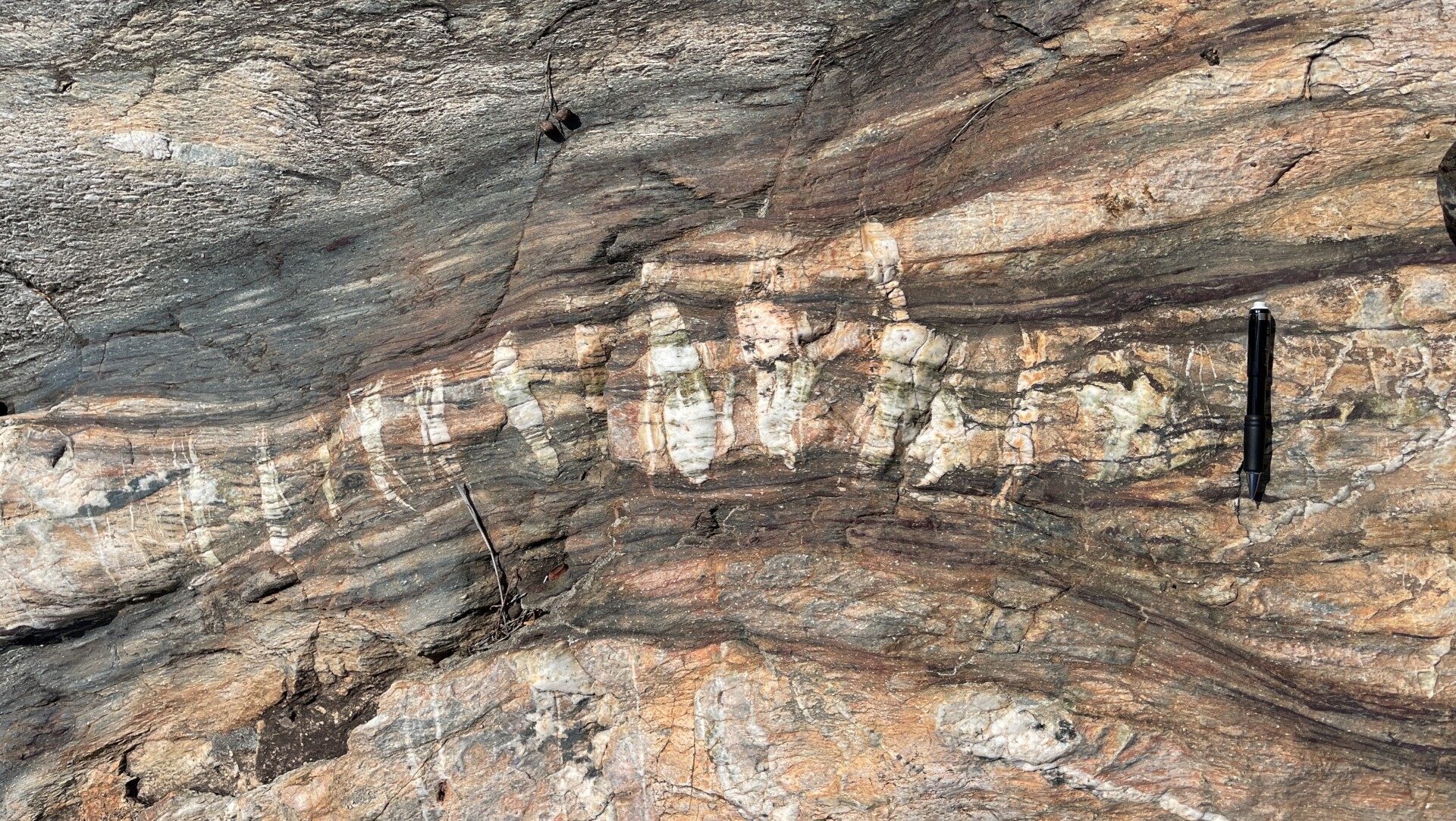
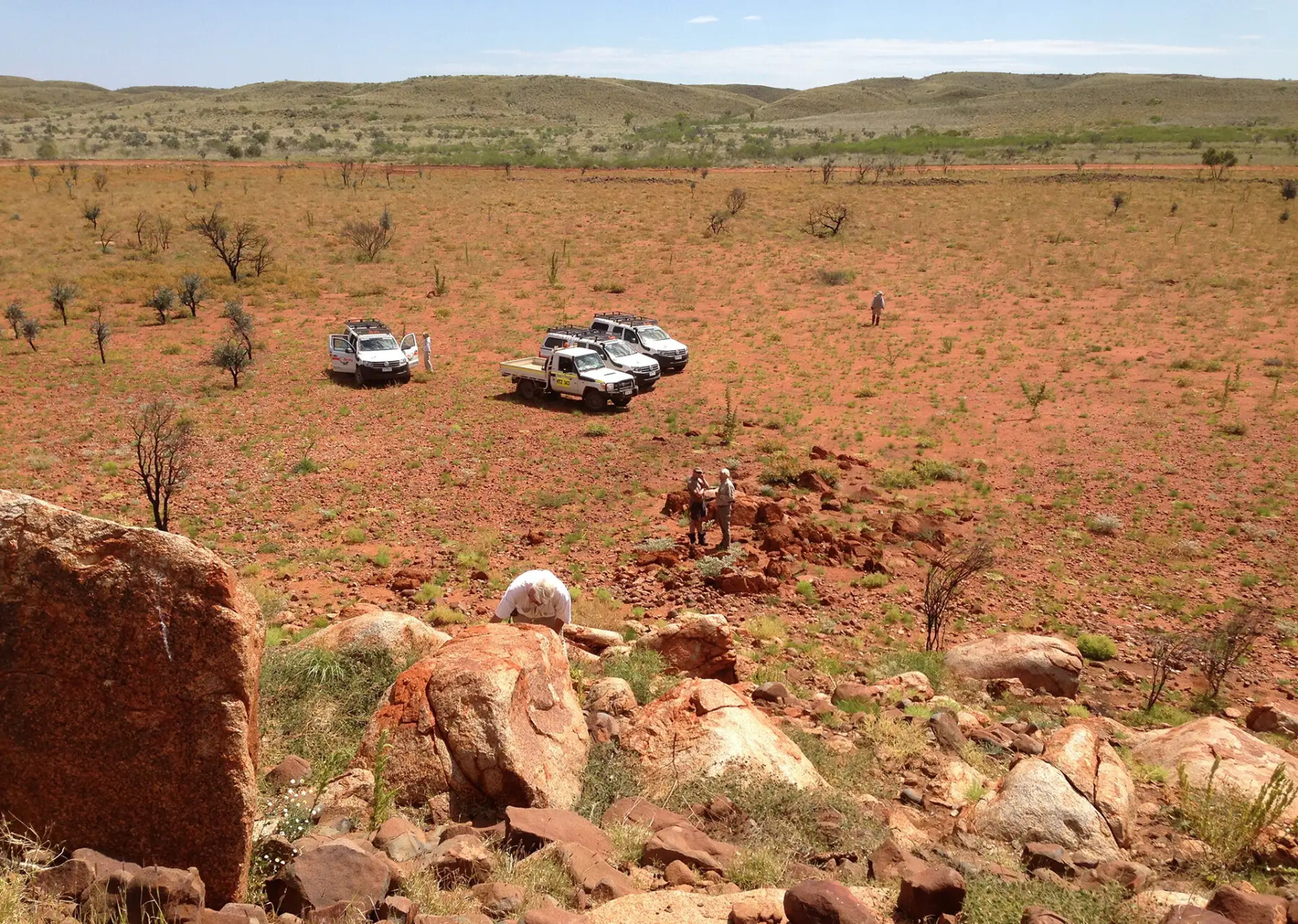
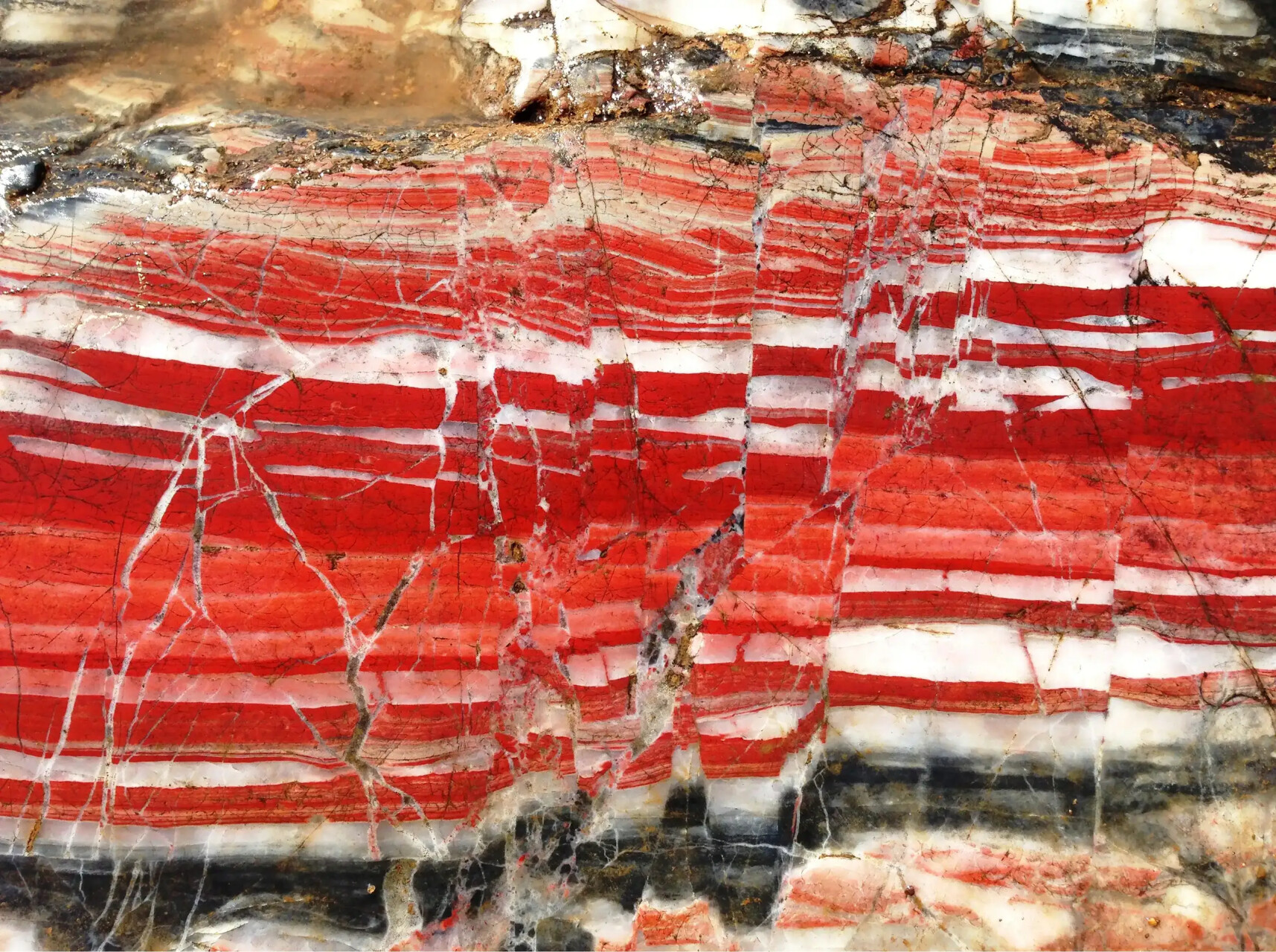
-
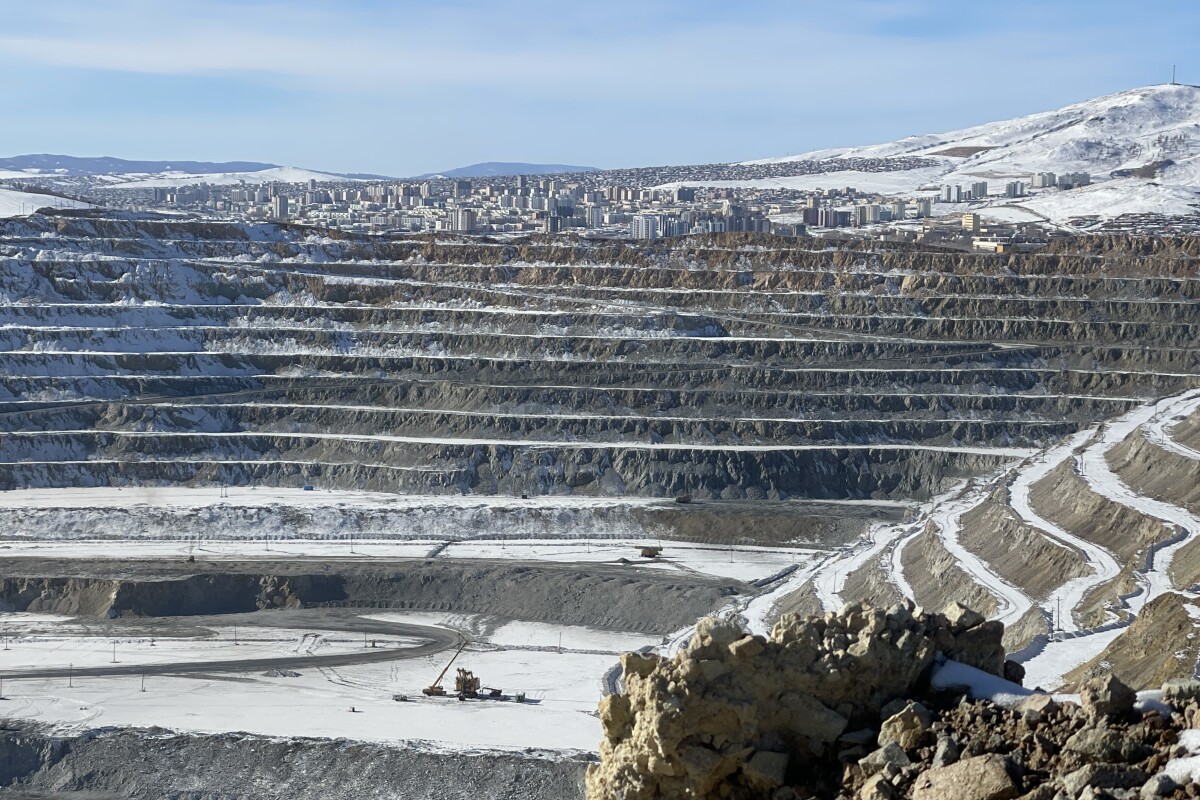
For mineral exploration and mining
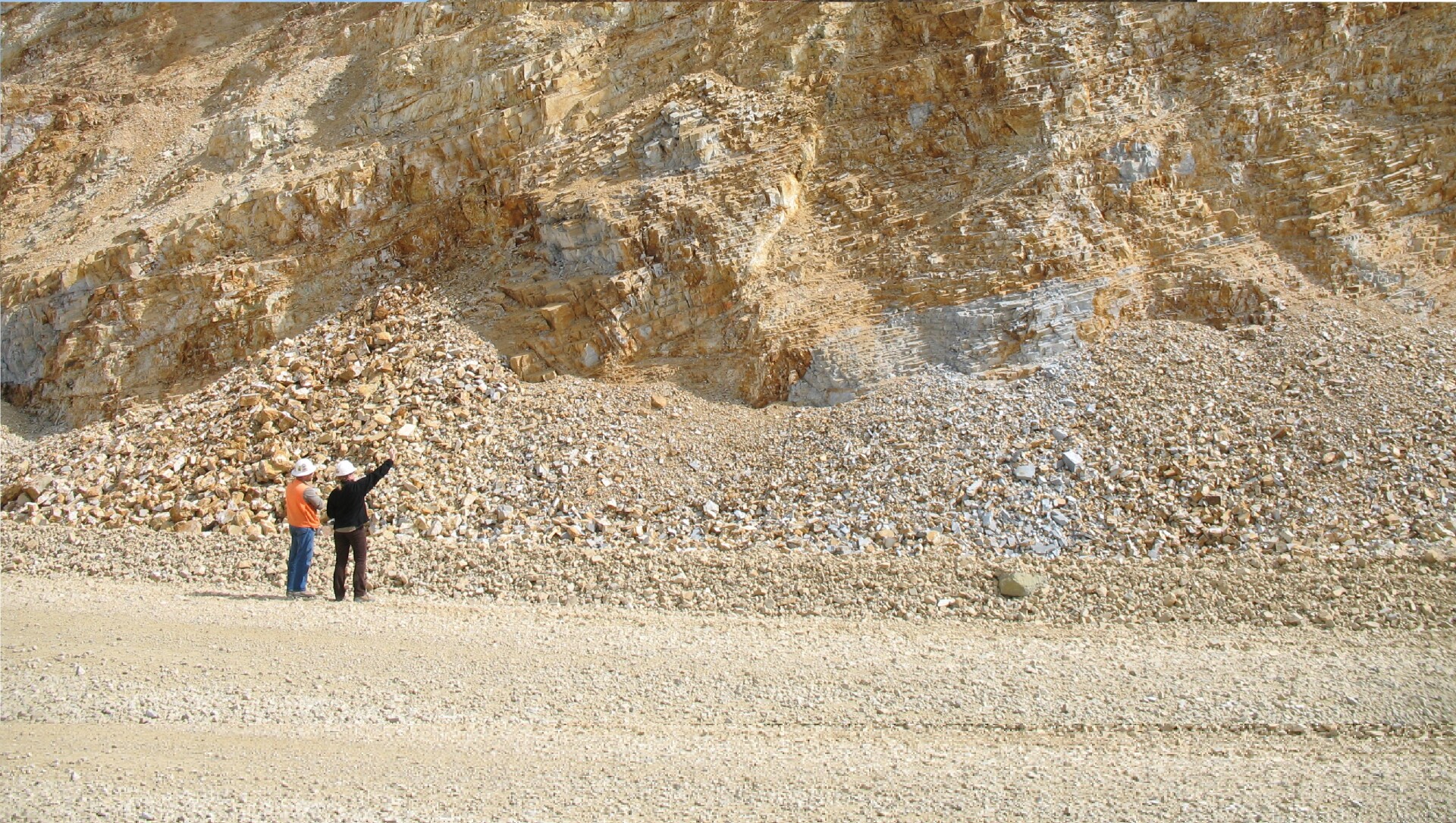
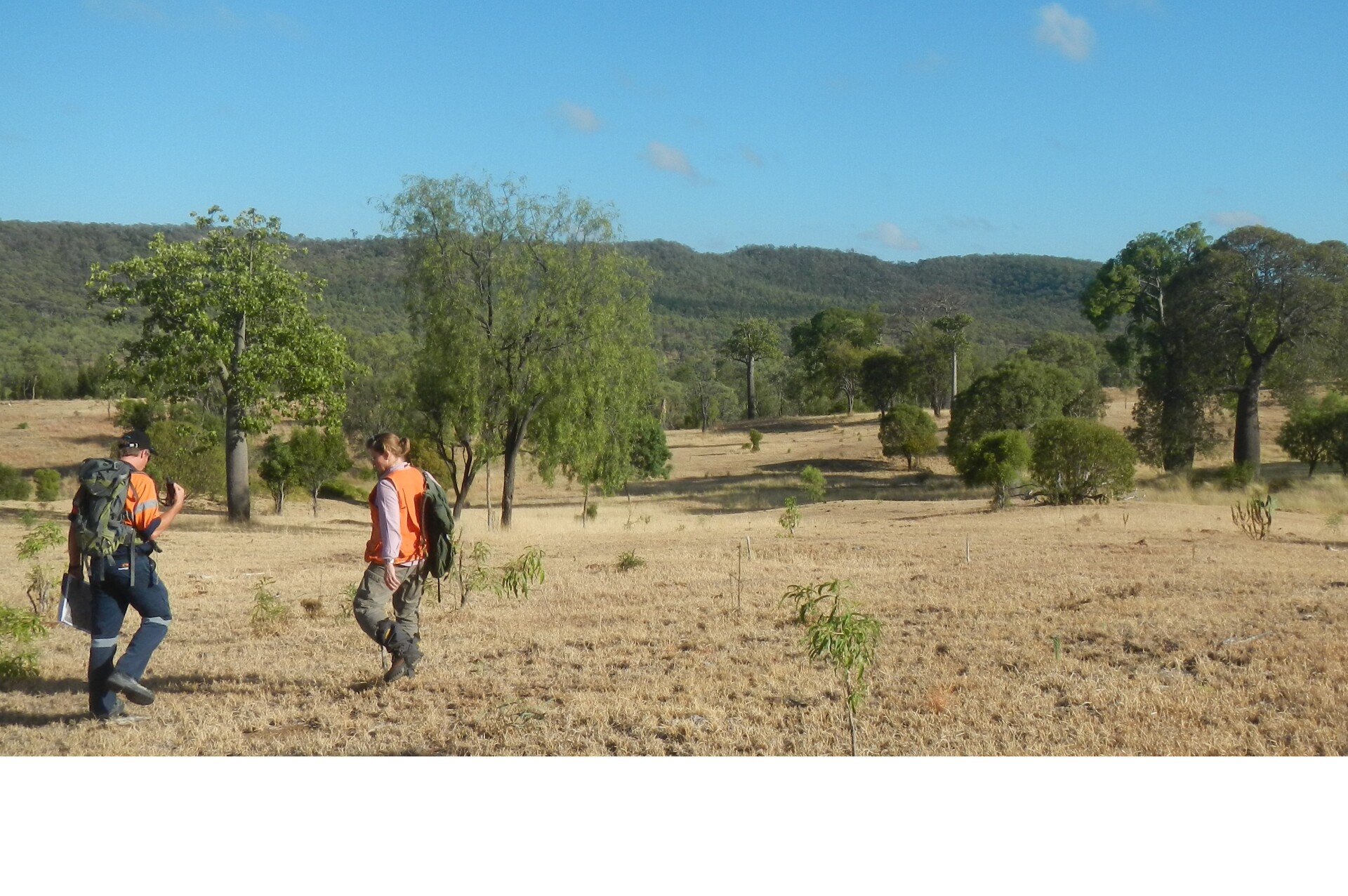
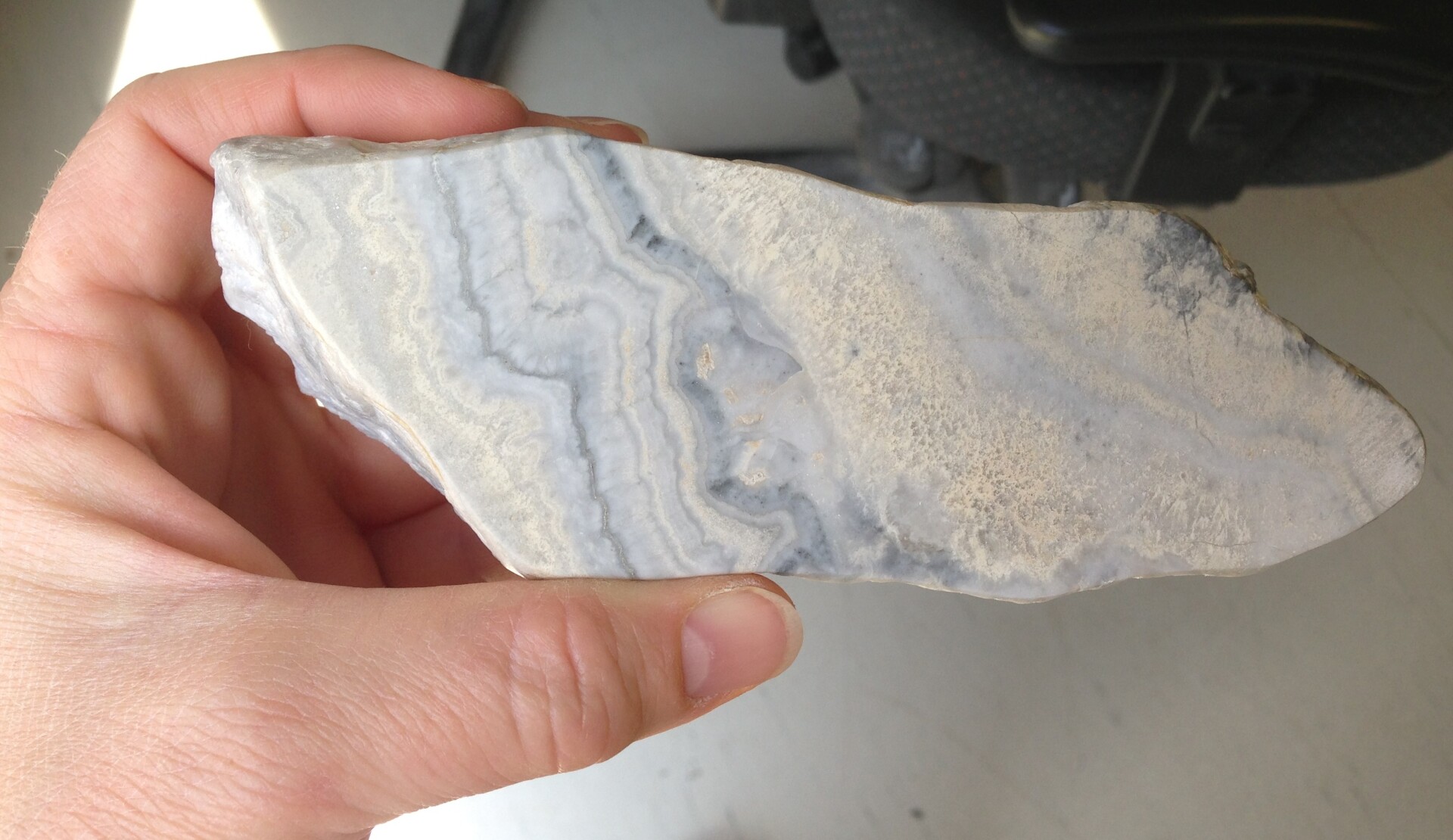
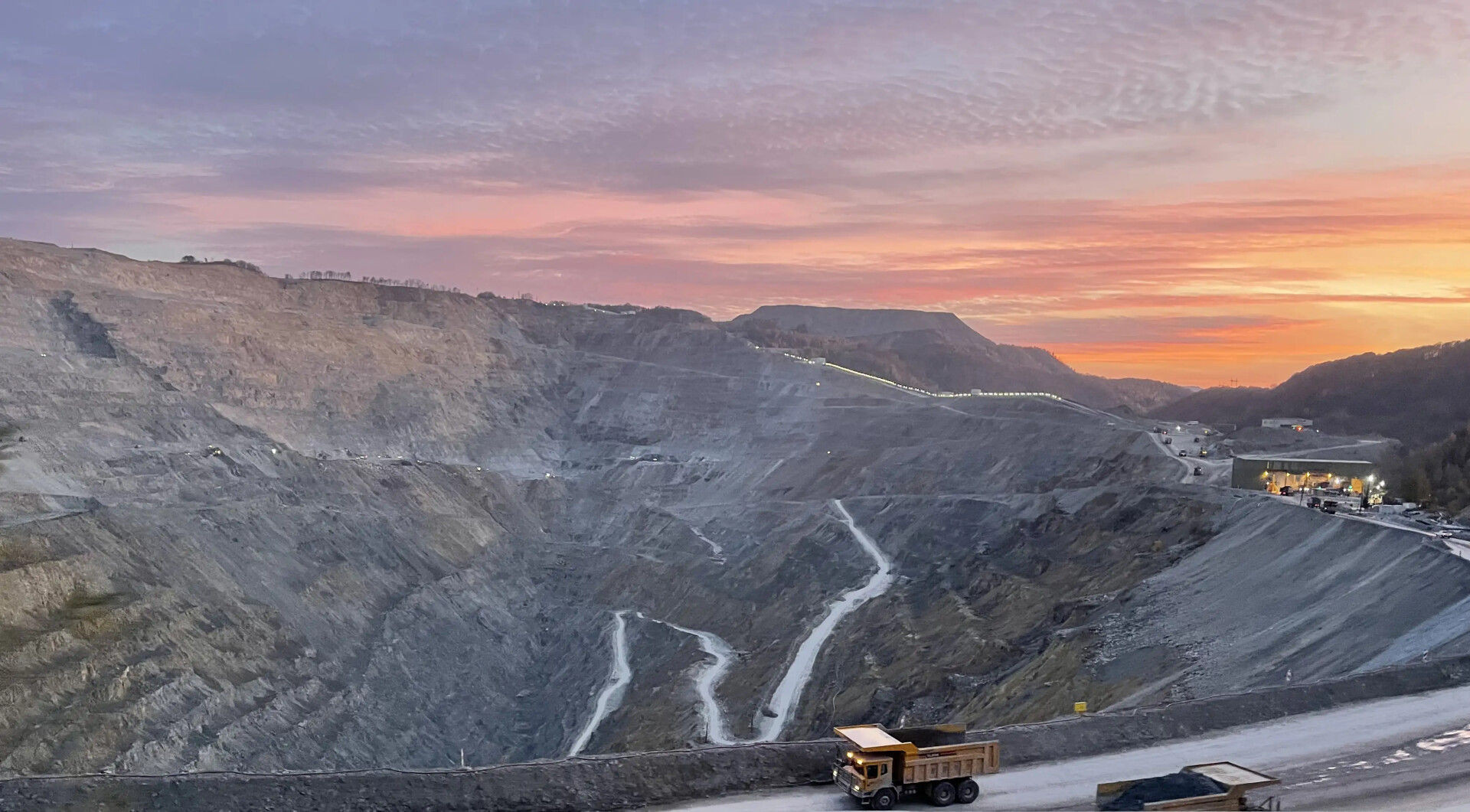
Optimising efforts at all stages and at a range of scales: from regional fault framework context for greenfield exploration to constructing mine-scale fracture models. Improving understanding of mineral systems, with models of the present-day geometry and geometries at key moments back in time. 2D, 3D and 4D models that are predictive in areas without direct observations (yet).
-
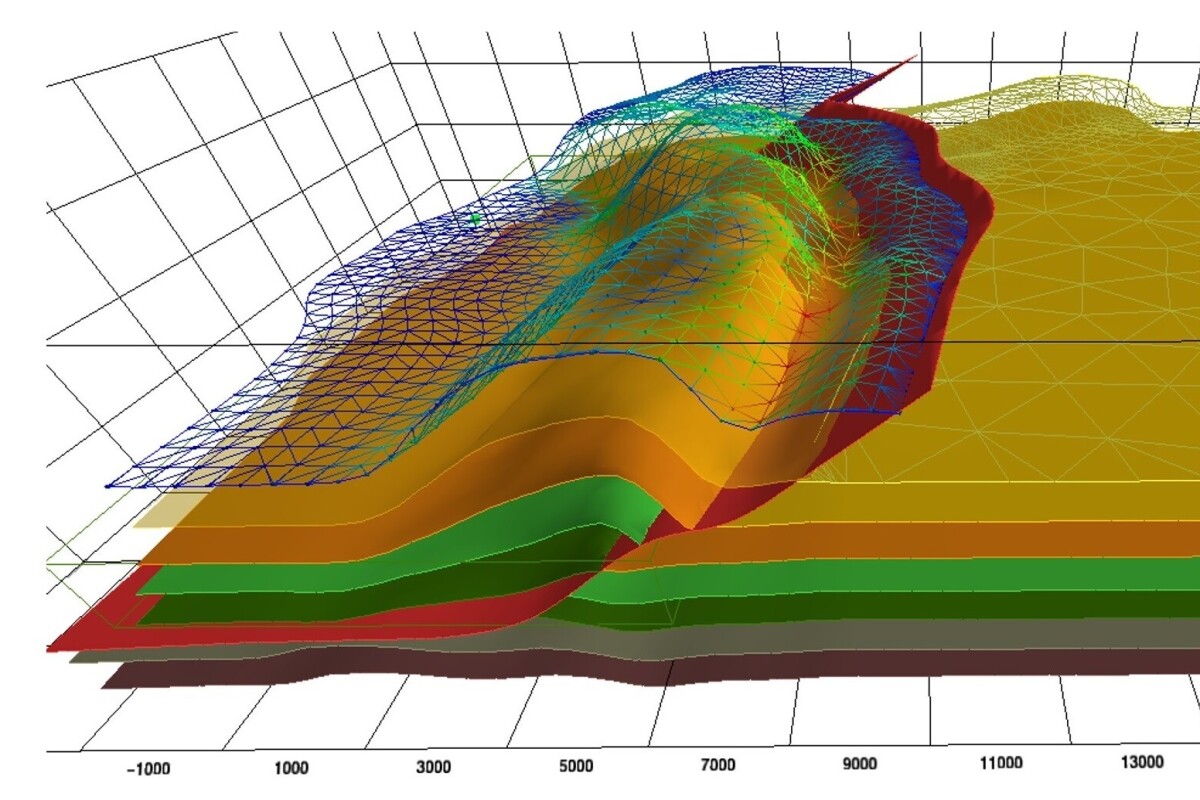
For underground storage and sequestration
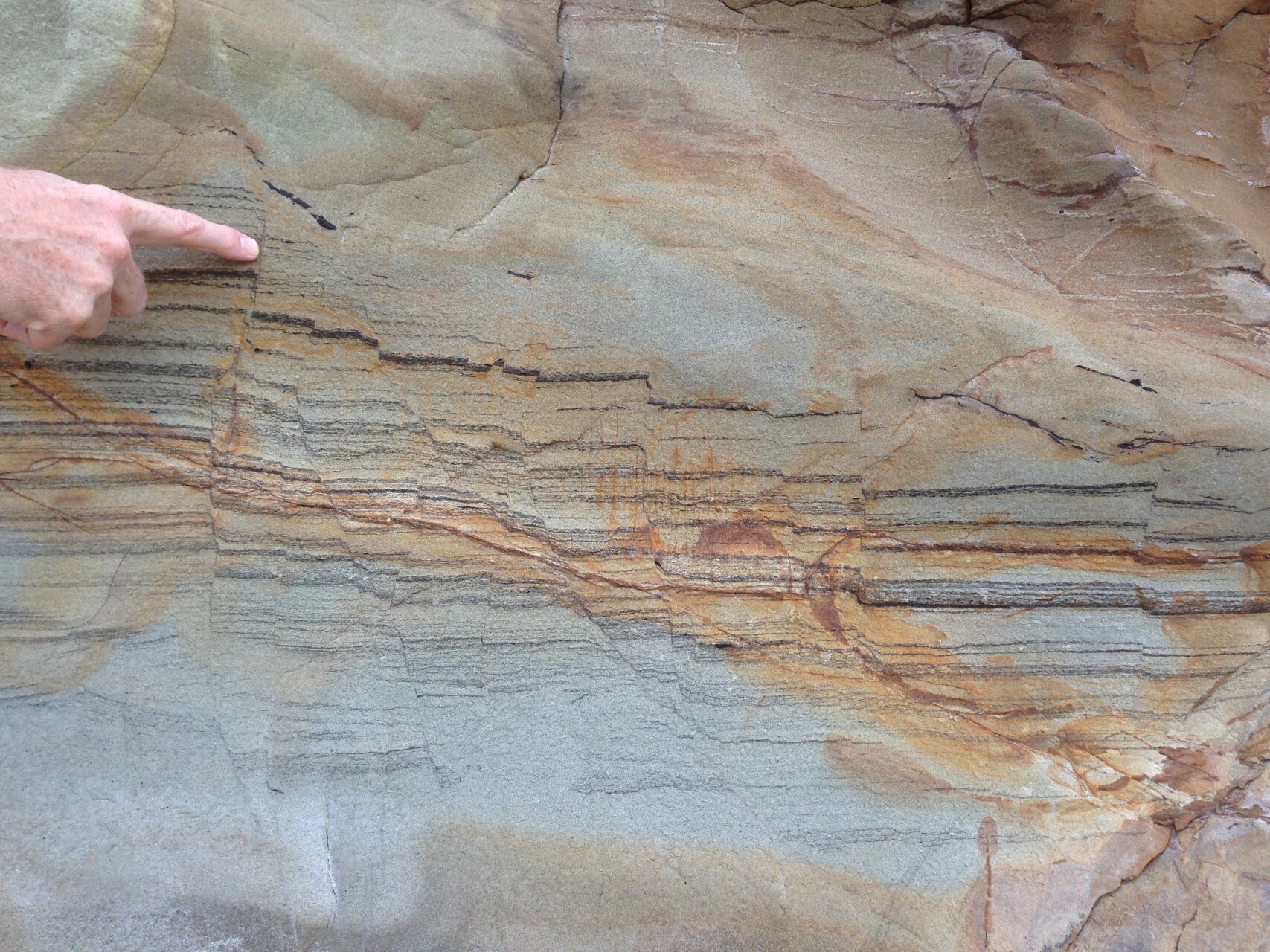
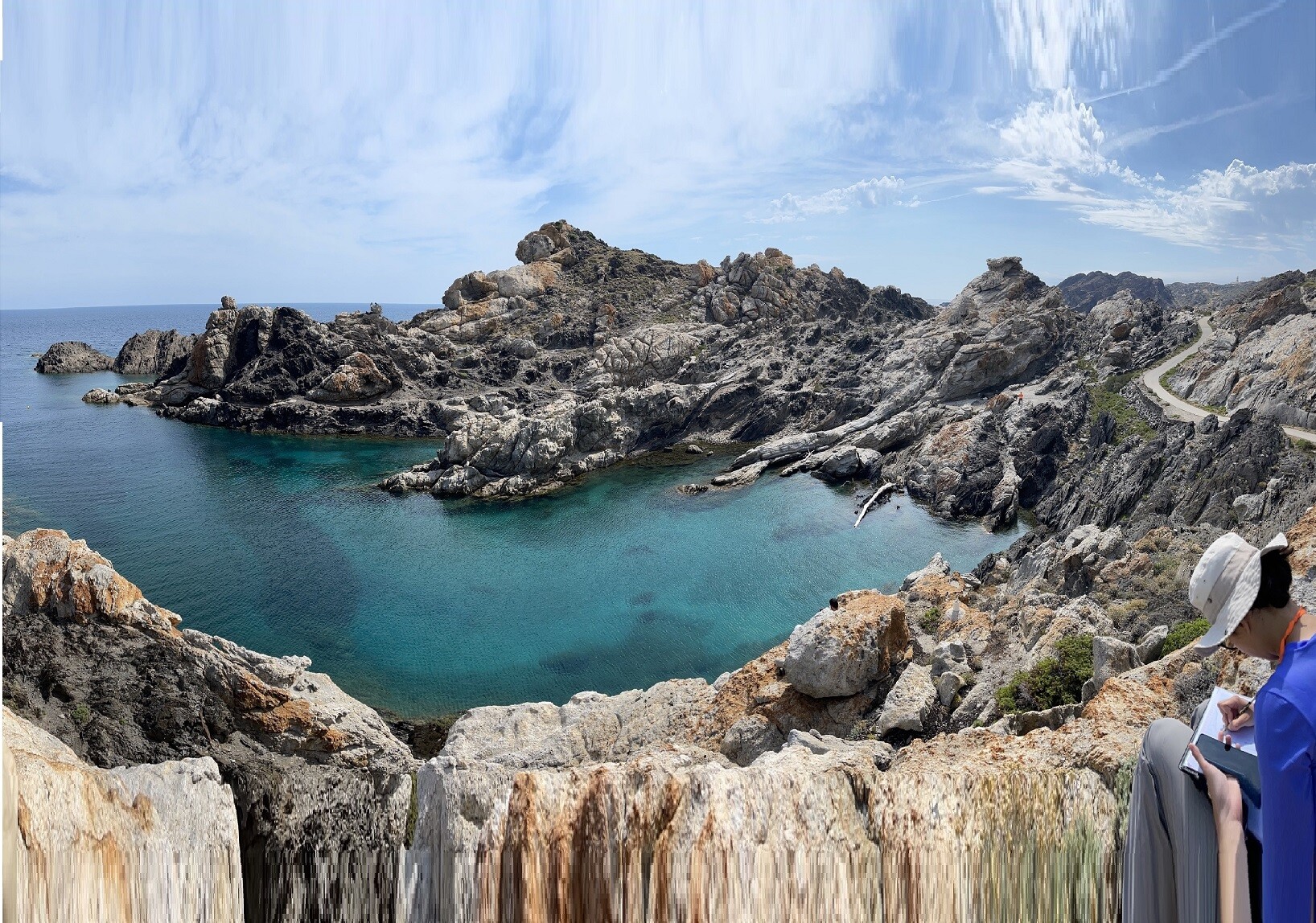
Providing geometrically valid and geologically sound models for characterization of the subsurface. Minimising interpretation uncertainty, connecting data using structural geological principles. Creating maps, cross-sections and 3D models of key horizons and fault zones, characterizing fractured volumes. Undertaking field studies to test and ground-truth interpretations.
-
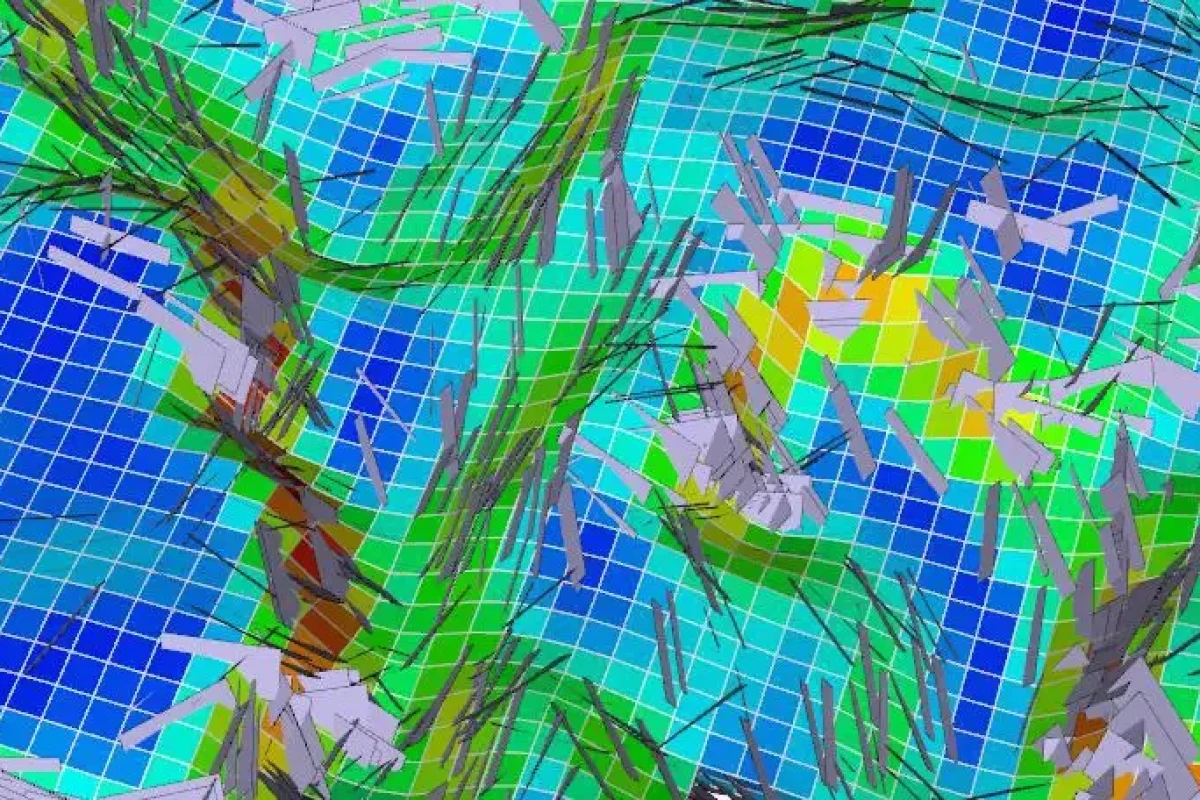
For geothermal energy exploration and design
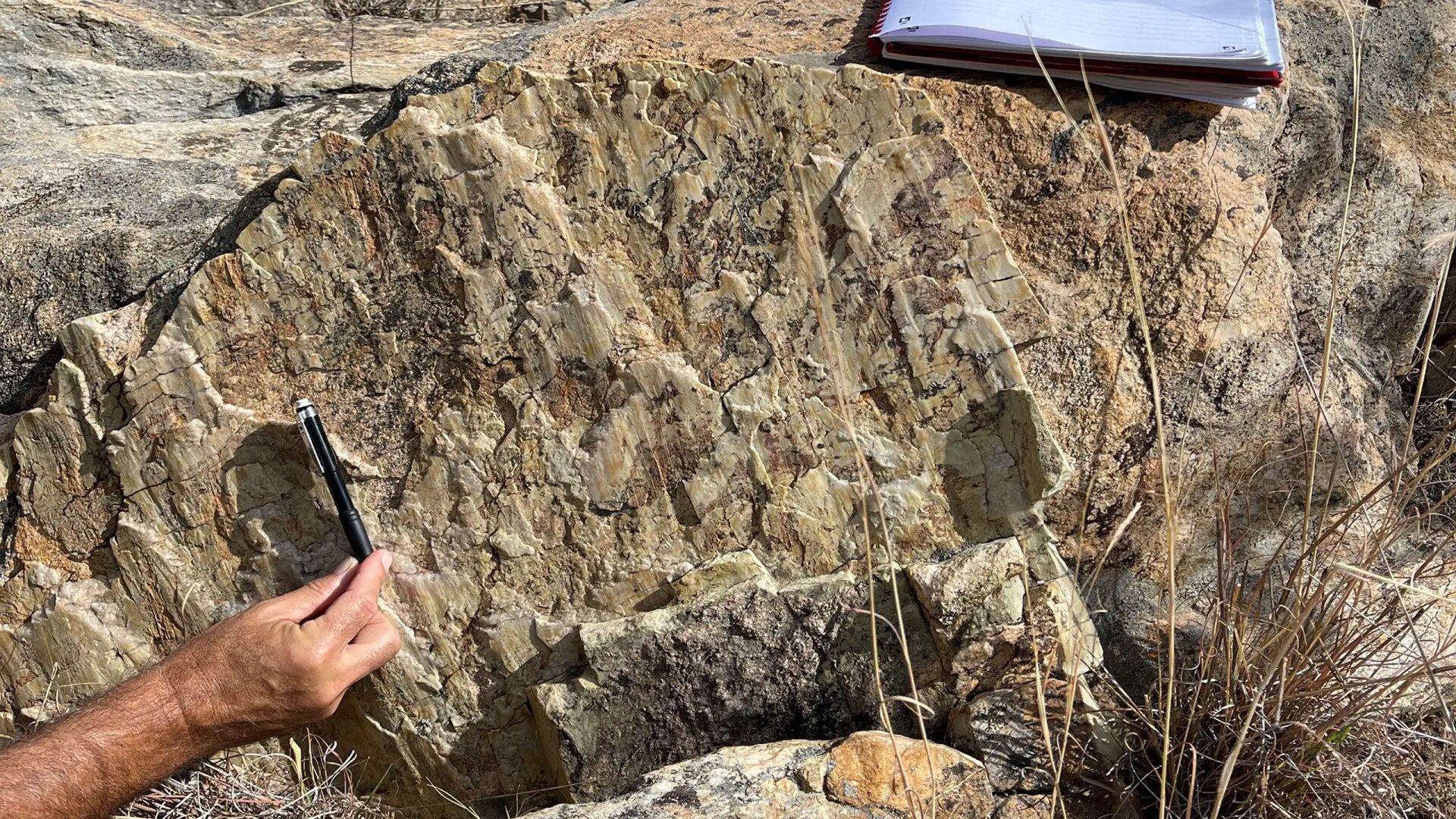
Informing site selection. Providing geologically sound and geometrically valid 2D and 3D models of the key components of a successful system - whether targeting permeable layers in fault-bounded blocks, or secondary porosity and permeability in fault zones and fractured basement. De-risking effects of compaction using backstripping and fault offset restorations.
Applied Structural Geology
A kinematic approach - modelling structural evolution
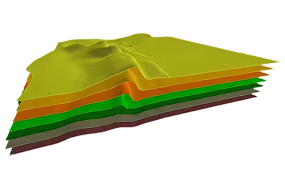
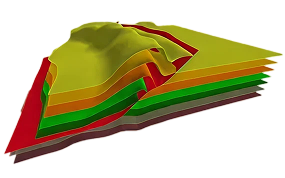
Delivering internally consistent and geometrically valid geological framework models. These models are the basis for optimising efforts, and minimising uncertainty and risk in both exploration and resource development. Valid models of the present-day geometry, combined with understanding and quantification of how and when structures and geometries evolved are fundamental, whether it is a petroleum, a mineral or a geothermal sytem. An approach that provides geometrically valid and geologically sound framework models.
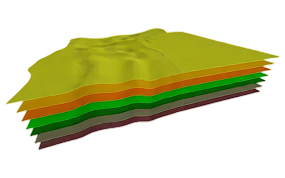
Incorporating the 4th dimension: time
 T1
T1
 T2
T2
 T3
T3
Why 4DGeo?
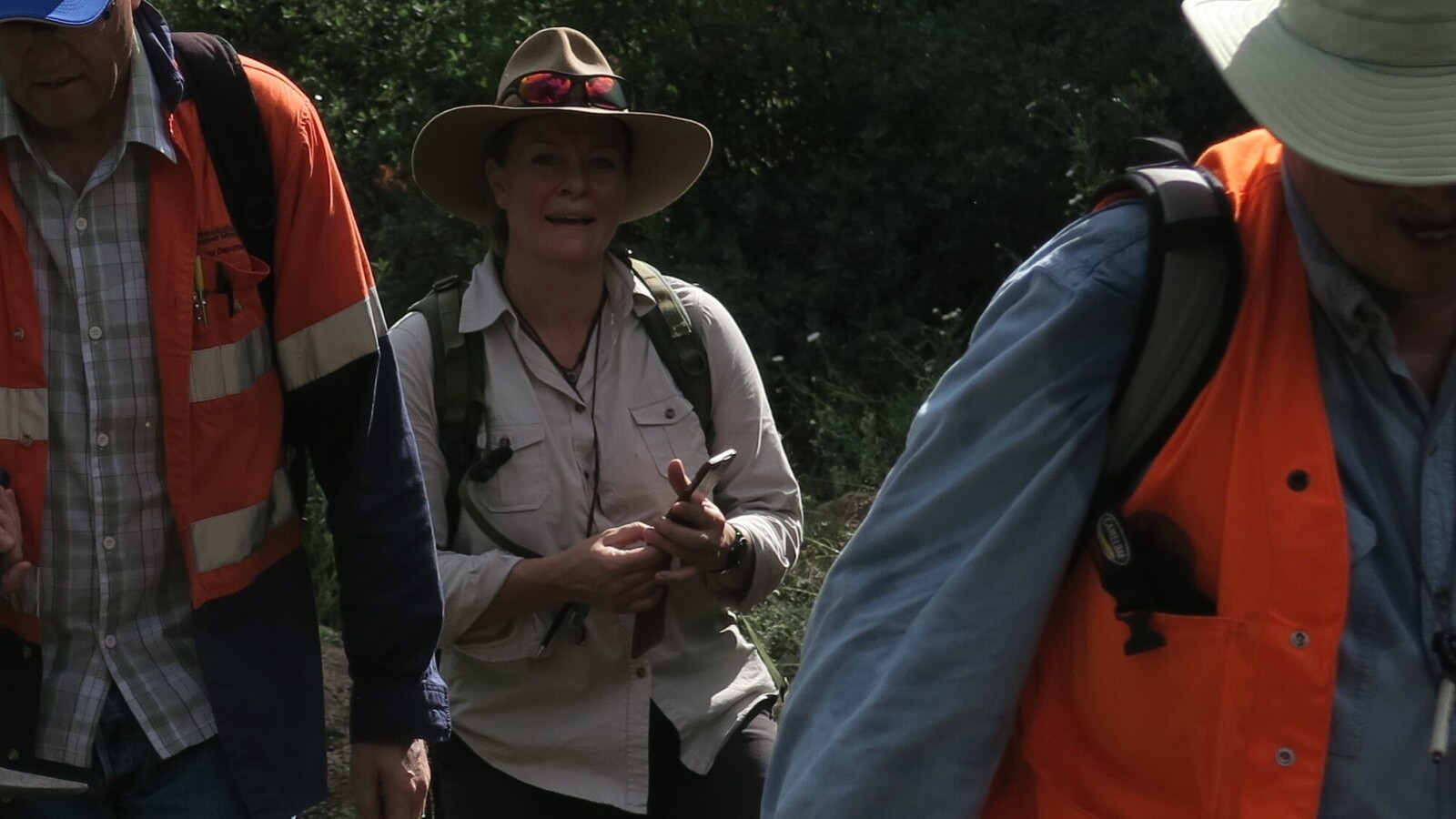
Armelle Kloppenburg has over 25 years of experience in delivering structural geological interpretations and constraints across sectors, worldwide. She combines classic structural principles with innovative kinematic techniques, using software with algorithms that mimic rock deformation through time. She enjoys working with students, academics, and professionals, alike. She has worked in extensional, contractional, and strike-slip settings, throughout sedimentary, metamorphic, igneous and salt-rich terrains, across the globe. Based in The Hague, The Netherlands, with a global reach and a wide-spread curiosity.